In today’s fast-paced world, stress has become a common part of everyday life. Work pressure, financial concerns, family responsibilities, and busy schedules can all contribute to increased anxiety and tension. One physical effect of stress that many people overlook is teeth grinding, also known as bruxism. As stress levels continue to rise, more individuals are discovering the importance of using night guards to protect their oral health.
Understanding Night Guards
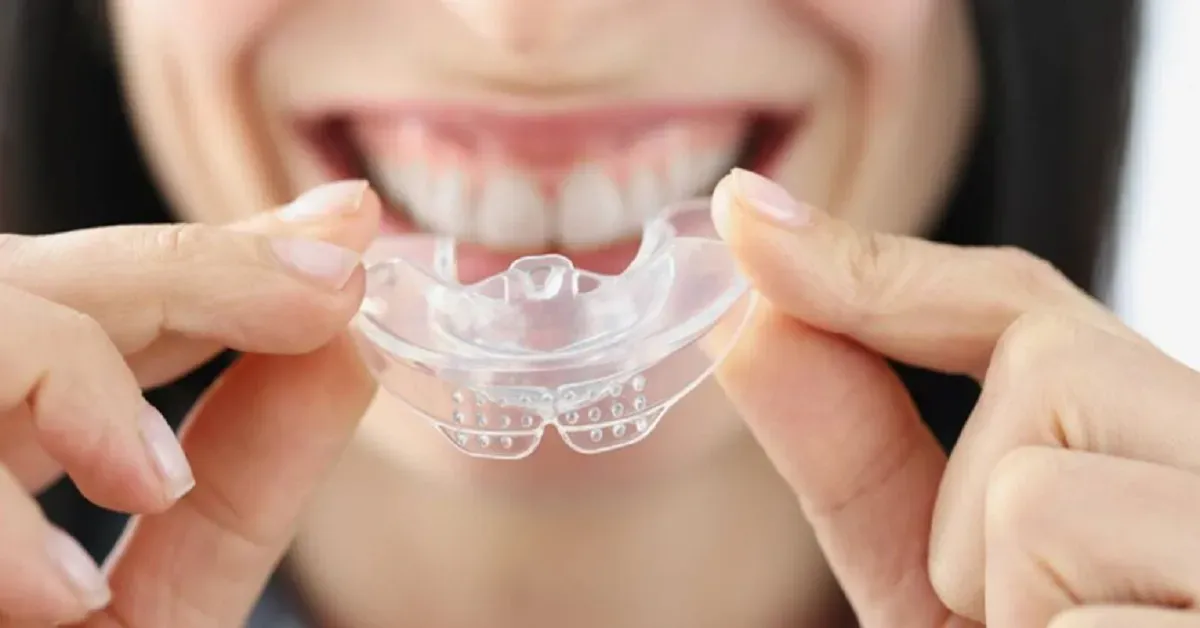
Night guards are oral appliances worn while sleeping to help prevent teeth grinding and jaw clenching. They create a protective barrier between the upper and lower teeth, helping reduce damage caused by excessive pressure during sleep.
Many people are unaware they grind their teeth at night until symptoms begin to appear or a dental professional identifies signs of wear.
The Connection Between Stress and Teeth Grinding
Stress and anxiety are strongly linked to bruxism. During stressful periods, people may unconsciously clench their jaws or grind their teeth, especially while sleeping. Because these actions happen involuntarily, individuals often do not realize the strain they are placing on their teeth and jaw muscles.
Over time, this repeated pressure can create serious oral health concerns.
Common Effects of Bruxism
Untreated teeth grinding can lead to several uncomfortable and costly dental problems, including:
- Worn tooth enamel
- Cracked or chipped teeth
- Jaw soreness and stiffness
- Headaches and facial pain
- Increased tooth sensitivity
- Temporomandibular joint (TMJ) discomfort
These symptoms can gradually worsen if bruxism is left untreated.
Signs You May Need a Night Guard
There are several warning signs that may indicate the need for a night guard:
- Frequent morning headaches
- Jaw pain or tightness after waking up
- Teeth that appear flattened or worn down
- Increased tooth sensitivity
- Clicking or popping in the jaw
- Reports of grinding noises during sleep
If these symptoms occur regularly, seeking an orthodontic evaluation can help determine the best course of treatment.
Professional Evaluation and Care
At Textbook Orthodontics, patients receive personalized evaluations to identify the effects of bruxism and determine whether night guards may help protect their teeth and jaw health.
Comprehensive assessments may include digital imaging, dental examinations, and discussions about symptoms to create a customized treatment approach.
Benefits of Night Guards
Night guards provide several important benefits for individuals dealing with teeth grinding and jaw clenching.
Protection Against Tooth Damage
Night guards reduce direct contact between teeth, helping prevent enamel erosion, fractures, and excessive wear.
Reduced Jaw Tension
By cushioning the bite, night guards can help relieve pressure on the jaw muscles and joints, reducing discomfort associated with TMJ disorders.
Better Sleep Quality
Minimizing grinding and clenching often helps individuals sleep more comfortably and wake up feeling more rested.
Lifestyle Changes That May Help Reduce Bruxism
Although night guards are highly effective, addressing stress itself can also help reduce teeth grinding over time.
Stress Management Techniques
Activities such as meditation, mindfulness, and deep breathing exercises may help lower stress levels and reduce muscle tension.
Regular Physical Activity
Exercise is a natural stress reliever that can improve both mental well-being and sleep quality.
Improved Sleep Habits
Maintaining a consistent sleep schedule and creating a relaxing bedtime routine may help decrease nighttime grinding.
Open Communication and Support
Talking with family, friends, or professionals about stressful situations can reduce emotional strain and improve overall mental wellness.
Types of Night Guards
Different types of night guards are available depending on the severity of bruxism and individual comfort needs.
- Soft Night Guards: Often recommended for mild grinding
- Hard Night Guards: Designed for more severe cases of bruxism
- Dual-Laminate Night Guards: Combine comfort with durability for moderate grinding cases
A dental professional can help determine which option best fits a patient’s needs.
Final Thoughts
Stress-related teeth grinding has become increasingly common, making night guards an important tool for protecting oral health. Addressing bruxism early can help prevent long-term damage to teeth and reduce discomfort caused by jaw strain and grinding.
With proper evaluation, customized treatment, and healthy stress-management habits, individuals can take meaningful steps toward improving both their oral health and overall well-being.